 Criminal Defense Lawyer Blog


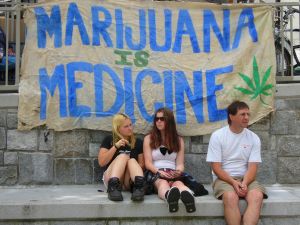 Each year thousands of defendants are arrested in Maryland for possession of marijuana and other drugs such as cocaine and and prescription pills. The costs of enforcing Maryland marijuana laws and other drug laws were revealed in part one of this post. In part two we will discuss the possible positive effects of decriminalizing marijuana in Maryland.
Decriminalization does not necessarily mean that drugs would be legal, rather it simply means that those caught possessing marijuana or other decriminalized drugs would not face criminal sanctions such as jail time. Penalties could still be imposed, including fines, and tickets similar to parking infraction tickets. Decriminalization must occur at the state government level and at the local level in order to be effective.
To initiate decriminalization of marijuana the Maryland Legislature would elect take its drug laws off the books, forcing local governments such as Baltimore City or Baltimore County to instruct its police officers to stop making drug arrests. If local governments have their own drug laws, they could choose to continue to enforce them unless the Maryland legislature enacts specific legislation prohibiting this. Ideally decriminalization would be a joint state and local effort, but Maryland state law would prevail in case of a conflict.
Continue reading →
 Maryland Police have charged a truck driver with DUI after the driver crashed his tractor trailer on interstate 95 in Baltimore. The apparent drunk driving accident occurred on February 15, on an overpass above interstate 895. Investigators do not know the exact cause of the crash, but the driver likely lost control causing the truck to turn over in the left lane of 95, just north of the Baltimore harbor tunnel. The allegedly intoxicated truck driver was carrying thousands of gallons of a water based chemical additive used in making concrete. Maryland police have yet to release the blood alcohol content of the accused driver, nor did the police divulge whether the driver submitted to a breath or blood alcohol test.
 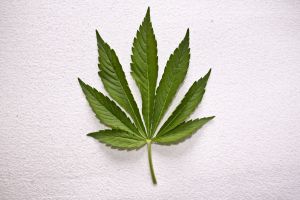 Each year Maryland police officers make thousands of drug arrests, costing hundreds of millions of taxpayer dollars, and yet there continues to be no visible evidence that the war on drugs is decreasing the amount of drug users in Maryland. Police officers focus a large portion of their time and effort making arrests for possession of cocaine, heroin, and prescription medication throughout Maryland, and especially in Baltimore City. Perhaps the most staggering data comes from the amount of marijuana arrests that Maryland cops make, and the money spent to make these marijuana arrests.
 Prison inmate’s sentences are currently up for debate in the Maryland legislature, but it’s the inmates who have been doing the talking. A bill before the Maryland State Senate calls for an automatic reduction in the amount of good-time credits a sentenced inmate typically receives by the Maryland Division of Corrections if that inmate is caught possessing a cell phone while incarcerated. The bill was presented to the Legislature by Senator Shank, a republican from Washington county.
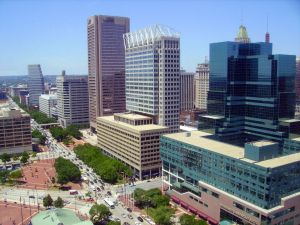 Baltimore City police officers were recently found guilty of conspiracy under color of law, and extortion in Federal criminal court. A Federal jury found one officer guilty after trial, and the other accepted a negotiated guilty plea hours before the jury began deliberating. Federal sentencing guidelines provide a maximum penalty of 5 years in prison for conspiracy under color of law, and a maximum of 20 years in prison and a $250,000 fine for extortion. A Federal judge will hand down the sentence for the officer, from Edgewood Maryland, convicted at trial at sentencing hearing in March.