 Criminal Defense Lawyer Blog


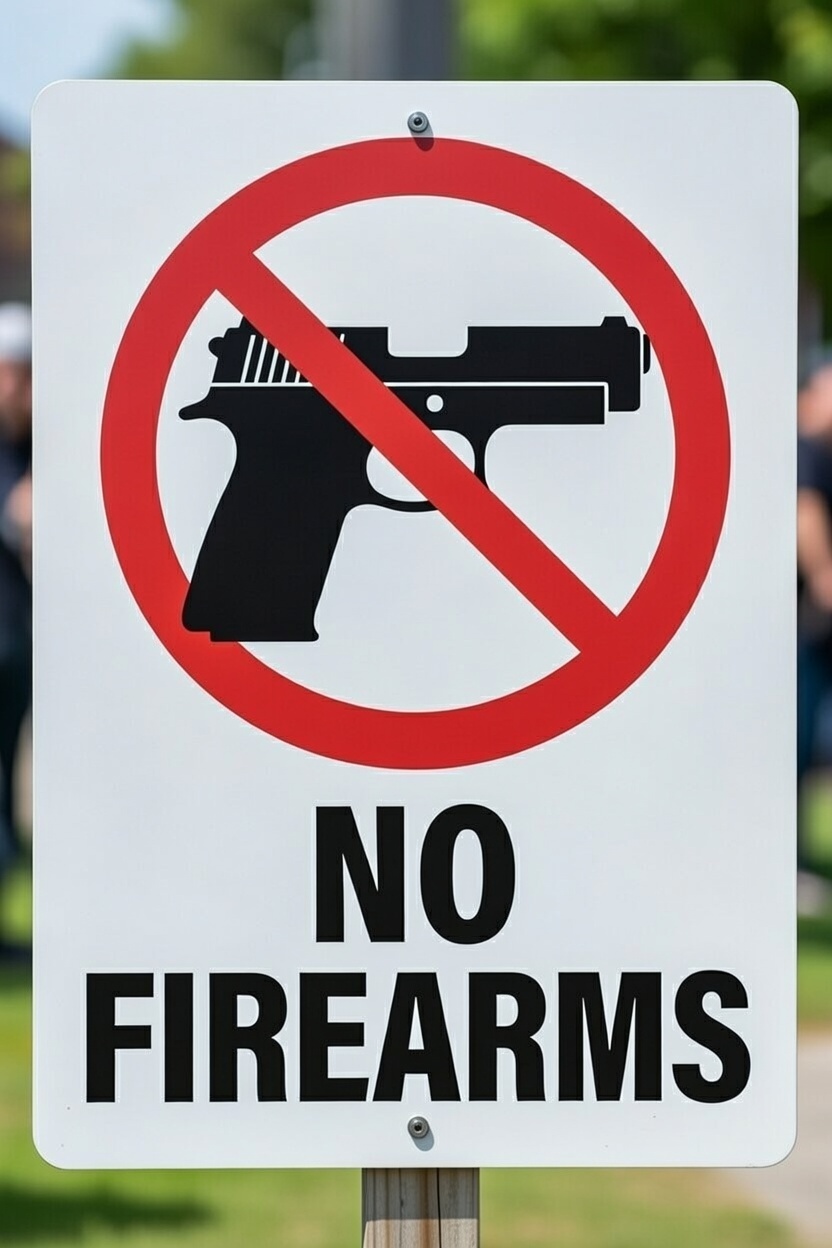 In 2023 the Maryland Legislature passed the Gun Safety Act, which among other things, aimed to limit where firearms could legally be possessed within the state. It was created in large part as response to a Supreme Court decision that upheld rights to possess and carry firearms under the Second Amendment just one year earlier. Under the Bruen case, the Supreme Court struck down a harsh Maryland restriction on obtaining concealed carry permits, which resulted in the issuance of thousands more permits. In response, many lawmakers felt the need to strike back by limiting where lawful permit holders could carry their handguns. Sensitive places exceptions were applied to delineate these no carry zones, but it was only a matter of time before gun rights advocates sued to declare these exceptions an unconstitutional infringement of the Second Amendment. So called “sensitive places” under Maryland Criminal Law 4-111 include government buildings such as courthouses and state agency buildings like the MVA, public transportation, school grounds, state parks and forests, museums, hospitals and doctor’s offices, stadiums and casinos and locations that sell alcohol. Areas within 1,000 feet of a public demonstration and private property that is held open to the public also fell under sensitive places laws.
The plaintiffs sued to declare these “sensitive places” regulations unconstitutional, while defendants argued the restrictions are in line with the Supreme Court’s ruling in Bruen and thus legal. In sum, the United States Court of Appeals for the Fourth Circuit mostly sided with the defendants/appellees and declared the Maryland rules constitutional. The Court unanimously upheld gun restrictions within government buildings, schools and healthcare facilities. Gun bans within 1,000 feet of public demonstrations, on public transportation, in state parks, places that sell alcohol (bars and restaurants), museums, stadiums, racetracks, amusement parks and casinos are constitutional, but the holding was not unanimous. The Court struck down the Maryland provision that prohibits gun possession on private property held open to the public.
Maryland has strict laws regarding who can wear, transport or carry a firearm under Criminal Law section 4-203. A violation of this law carries up to 5 years in prison for a first offense and up to 10 years for repeat offenders. Criminal Law 4-203 applies to all places outside of the home, including vehicles. Naturally, these prohibitions apply to sensitive places as well. As a result, the sensitive places restrictions really only apply to those who have taken all the necessary steps (passing background checks and safety courses) to obtain a wear and carry permit. So called “gun safety” lobbyists and politicians have lauded this decision as a major victory, but the questions remains whether these restrictions actually make us safer. Gun crimes are overwhelming committed by those who are not licensed to carry, and a large percentage are committed by those who are prohibited under state and federal law from even possessing a firearm in the first place due to criminal convictions and age restrictions. Far less than 1 percent of gun crimes are committed by those with a wear and carry permit, making this appeals court victory more of a political statement than a practical and substantive outcome.
The Blog will continue to follow this decision and may post a follow-up article if the case moves on to the Supreme Court. If you are facing charges, contact Maryland gun crimes lawyer Benjamin Herbst anytime for a free consultation. Benjamin specializes in defending adult and juveniles facing wear, transport and carry charges, possession of a firearm by a disqualified individual or convicted felon, minor in possession of a firearm and use of a firearm in a crime of violence. He also has extensive experienced handling federal gun charges such as possession of a firearm at a federal facility. Contact Benjamin at 410-207-2598 for a free consultation anytime.
Resources: