 Criminal Defense Lawyer Blog


This week the United States Supreme Court declined to hear an appeal of the sensitive places provision of the state law that dictates where a licensed individual may carry his or her firearm. Maryland criminal law section 4-111 states where a person, including concealed carry permit holders, may legally possess a firearm, and it has been the source of spirited debate since its passage a couple of years ago. While the law does not specifically target concealed carry permit holders, the rest of the public is already prohibited from wearing, carrying or transporting firearms. In reality, 4-111 was almost exclusively created to restrict permit holders. It describes three categories of places where possession is prohibited.
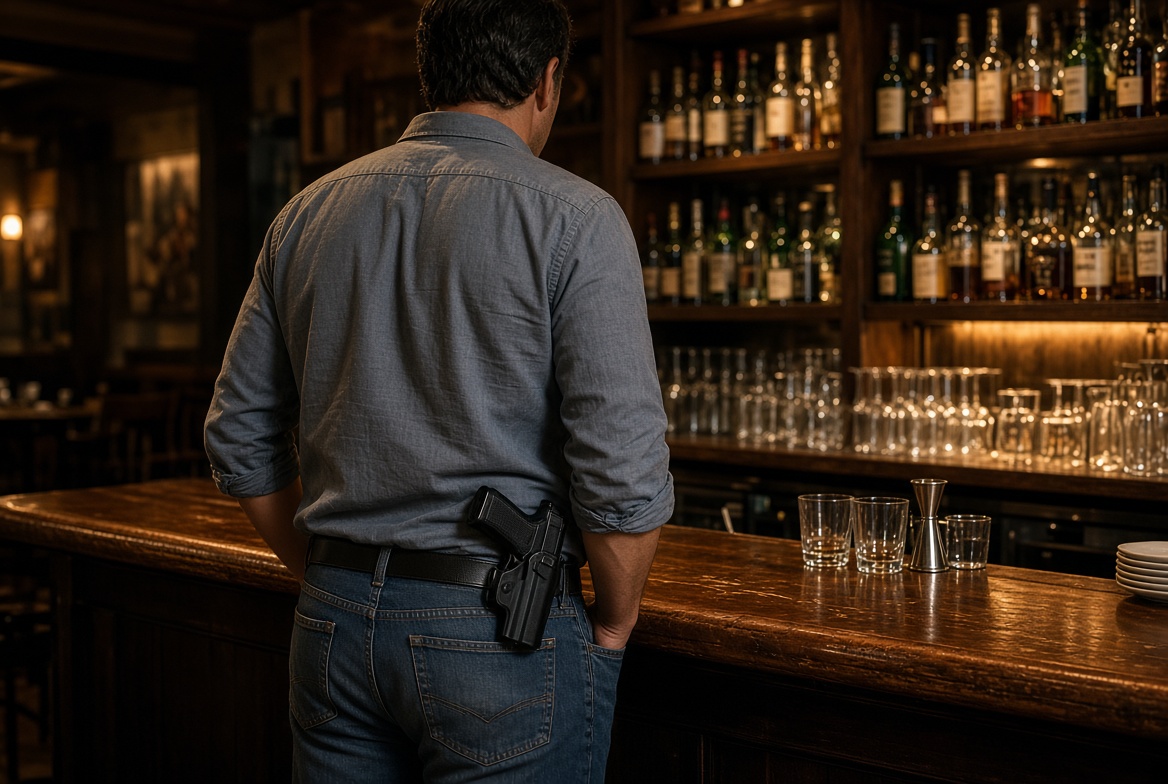
The first category is areas for children or vulnerable individuals, which includes preschools, kindergartens, secondary schools and health care facilities. Government or public infrastructure areas make up the second category and include state government buildings, colleges and universities, polling places and power plants and related storage facilities. The final category is the special purpose area and is the source of the most controversy. Special purpose areas include locations licensed to sell alcohol or cannabis for onsite consumption. This means all bars and a large percentage of restaurants are off limits for concealed carry holders to possess their legal firearm. Also included in the special purpose category are stadiums, amusement parks, museums, racetracks and video lottery facilities.
Special purpose area is a vague term to begin with, and the Court seemed to leave the door open for future challenges to the law that were more targeted at one type of location rather than the entire category. It would be logical to assume that restaurants that happen to sell alcohol could be the target of future constitutional challenges. A concealed carry holder would likely have to be convicted of the offense and then appeal rather than a group of concerned citizens filing a blanket appeal. Maryland criminal law section 4-111 is a misdemeanor with a maximum penalty of 1 year in jail and a $1,000 fine. This is the same penalty as the law against handgun wearing while under the influence per Maryland public safety code section 5-314, which is another statute that targets concealed carry holders.
Anyone who is arrested and charged with gun possession under 4-203 faces up to 5 years in prison for a conviction and may face an additional 1-year sentence if charged with a violation of 4-111. The sentences could run consective. A large percentage of 4-203 wear, transport and carry cases begin as traffic stops but those arrested while out and about stand a good chance of being in a special purpose area. The Blog will continue to follow Maryland guns as the legislature continues to find ways to limit the gun possession after the landmark Bruen case in 2022 opened the door for thousands of new handgun permits to be issued.
If you have been charged with a crime, contact Maryland gun lawyer Benjamin Herbst anytime for a free consultation. Benjamin specializes in gun possession cases in state and federal court and has extensive experience defending those charged with violations of criminal law section 4-203, 4-111 as well as public safety code violations. Benjamin has also successfully represented, minors, out-of-state residents and permit holders who have been accused of possession while under the influence and fights to uphold the right of gun owner throughout the state. He is also an experienced federal criminal defense lawyer who has obtained dismissals in numerous federal gun charges at federal facilities such as NIH and military bases including Fort Meade and the NSA. Benjamin is available 7 days a week for a free consultation at 410-207-2598.
Resources:
Supreme Court turns away challenge to Maryland restrictions on guns in sensitive places, cbsnews.com.