 Criminal Defense Lawyer Blog


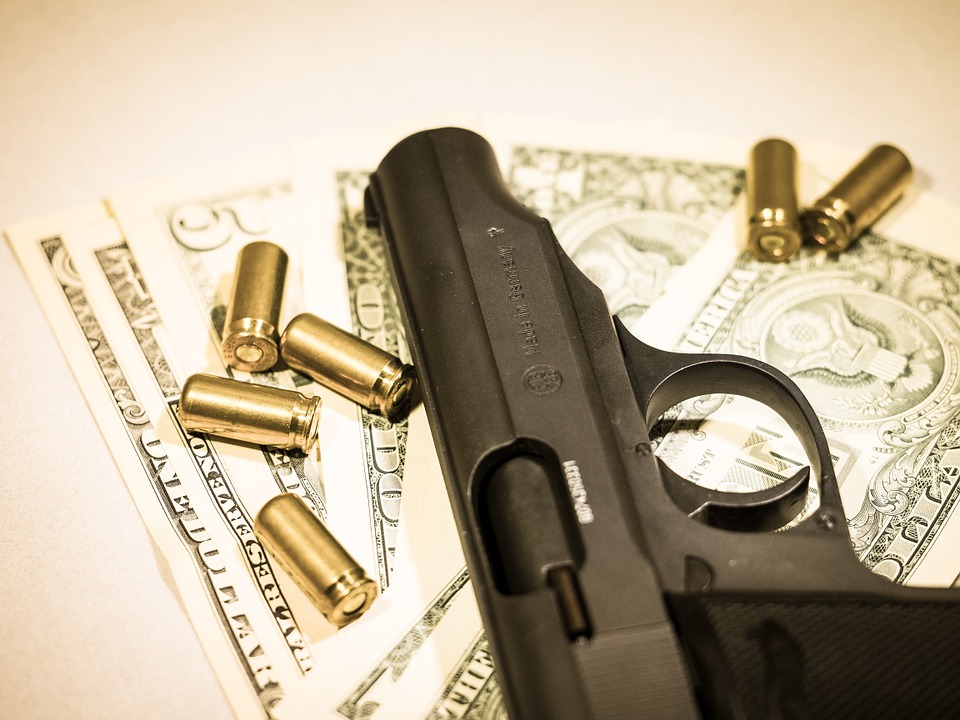 Maryland has always been relatively tough on guns, and in the last two years new firearm legislation has made it one of the toughest states in the country. But whether these strict laws actually work to curb gun violence is an issue that will be debated for years to come. The Firearms Safety Act has only been around for a year and a half, so it is impossible to make sweeping conclusions on its effectiveness yet. One thing is for certain though; the strict gun laws create a lucrative market for out of state gun traffickers, which has become a priority for the local United States Attorney’s Office. This past week federal authorities announced the conclusion of a seven-month investigation that has eliminated a gun trafficking ring operating from Tennessee. The investigation yielded seven arrests, with three of the suspects being previously convicted felons. This particular group would allegedly purchase various guns in Tennessee with the intent of selling them for a profit in Baltimore. Now, each faces up to 10 years in prison for illegal gun possession and additional time for conspiracy charges.
The federal prosecutor’s office boasted that this bust put an end to an operation that flooded Baltimore with upwards of 30 guns per week. While this is certainly an achievement for law enforcement, according to the ATF only 39 of the some 5,000 seized guns in Maryland actually came from Tennessee. Over 300 were traced back to Pennsylvania, and about 500 came from Virginia. In total about 2,200 seized guns originated from outside states, prompting some to argue that overly tough state gun laws simply create an illegal market for firearms trafficking. If the gun stores can’t sell certain guns legally then those who really want them will look to purchase them illegally. Illegally purchased firearms present law enforcement with a whole new set of problems because they cannot be accurately traced, and they often fall into the hands of people that would otherwise be prohibited from purchasing a gun.
State officials who support tight gun control would argue that you have to start somewhere, and it is unwise to base your own policy decisions on what your neighbors are doing. At the same time the regional climate with relation to gun control should always be a consideration when drafting new legislation. Especially legislation that is as sweeping as the firearms safety act. In addition to creating a larger market for illegal gun trafficking within our state’s borders, the act is also affecting the state’s economy. Beretta USA has been manufacturing the standard military issue pistol in Maryland since the 1980’s, but now that 15 round magazines have arbitrarily been declared illegal here the company is closing the factory and moving out of state. The firearms safety act now prohibits law-abiding citizens from purchasing a handgun that is a standard issue side arm for the Army. The proponents of the act argued that a private citizen has no need for a handgun with a capacity of more that 10 bullets, and maybe they’re right. On the other hand the cost benefit of an outright ban of this type of handgun doesn’t seem to add up. We’re seeing a spike in illegal gun trafficking and a large factory with hundreds of jobs moved out of state. But are we safer? That remains to be seen, and the Blog will post a follow up article in the future on this topic so stay tuned.
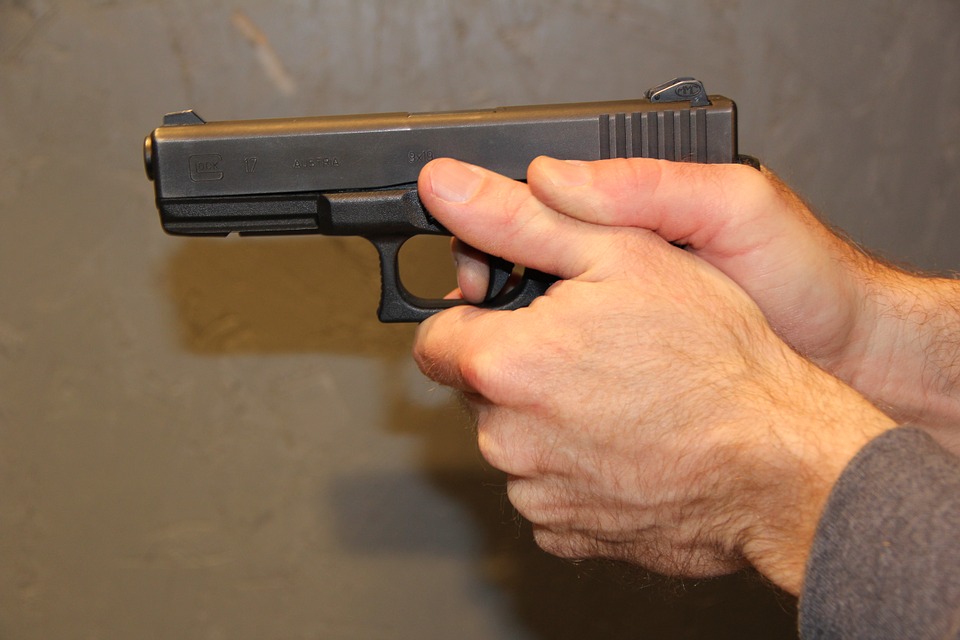


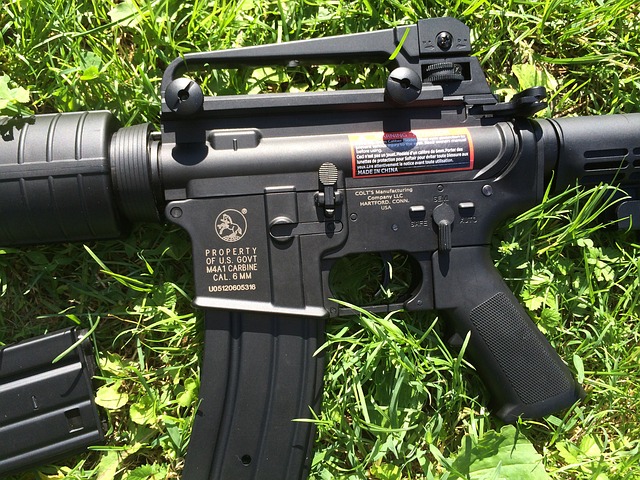 The Maryland Firearms Safety Act survived one challenge to its constitutionality back in the summer, and now the controversial law faces yet another hurdle next month. The act, which went into effect back in October, garnered national attention for being one of the strictest of its kind. Several types of handguns, assault rifles, and high capacity magazines received an all out ban, and increased security restrictions were placed on gun purchasers. Second Amendment lobbyist groups immediately admonished the gun law, and backed a lawsuit against its constitutionality in federal court. The plaintiffs argued that the Act infringed upon the rights guaranteed by the Second and Fourteenth Amendments, and was therefore unconstitutional. But a federal district court judge in Baltimore disagreed and ruled that the act, while restrictive, was crafted in a way as to not be overly burdensome. Soon after word came down from the district court the gun rights advocates filed an appeal in the Fourth Circuit Court in Richmond. Now after couple months of downtime it appears we are a little bit closer to learning the final fate of the gun law.
 Governor Elect Hogan is not scheduled to begin his term as Maryland’s top politician for another 6 weeks, but he has already publicized a few of his plans for gun control and drug abuse. The infamous Maryland firearms safety act appears to be safe for the foreseeable future, as Hogan’s camp is on record stating they would not take action to try to repeal the law. On the other hand, the act still faces scrutiny from the federal court system. The hardline gun law was upheld in the United States District Court in Baltimore over the summer, but is now before the 4th Circuit Court of Appeals in Richmond, Virginia. The federal appellate judges will examine whether the firearms safety act infringes on the Second Amendment right to bear arms, and will consider the briefs of twenty-one different states, including Florida and Michigan, who have filed briefs urging the court to overturn the law. The Governor Elect has not publicized a detailed opinion of the firearms safety act, and will likely wait until he has taken office to do so. But Hogan has been clear thus far that his office will not challenge the incoming attorney general or the predominantly democratic legislature to repeal the law.
 The Maryland Firearms Safety Act went into effect almost one year ago, and at that time most of the news stories were centered on record sales at state gun shops, which resulted in many of the popular handgun models being sold out at local stores. There were also numerous articles about overwhelming demand for the state police to complete background checks. Those who purchased firearms prior to the October 1st, 2013 effective date were not required to submit their fingerprints, but due to the shear number of applications were still forced to wait months for law enforcement clearance. There were a few scattered articles about those in opposition to the strict law, such as the NRA and other Second Amendment lobbyist groups. Each of these groups expressed a strong desire to challenge the law, but at the time it just didn’t seem as if they would have any success. Marylanders were acting as if the strict statewide gun regulations were there to stay, and last summer’s rush to buy firearms proved that. And now we can officially say that the Firearms Safety Act is in fact here to stay, as a federal judge recently upheld it as constitutional in a 47-page opinion.
 A few months back we posted an
  A completely objective means to measure one state’s gun laws against another simply does not exist. There is no cut and dry way to compare laws that are worded differently, and more importantly enforced differently. But academic institutions and lobbyist groups nonetheless love to take the abstract and put it into a study or a survey that appears to show concrete conclusions. While it’s not science, these studies do serve the purpose of generating conversation. Organizations perform the work, issue press releases, and then the news outlets report to the public. And sometimes, if the issue is relevant, a lowly legal blog will continue the discussion. The discussion to be had revolves around the Brady Campaign to Prevent Violence, and its ranking of state gun laws for 2013. The Brady Campaign is the self-proclaimed largest anti gun violence grassroots organization in the country. The organization has been around since the 1970’s but took the Brady name in 2001 with the mission of reforming the gun industry through legislative influence. The 2013 rankings slot Maryland as having the fourth toughest gun laws, only behind California, Connecticut, and New Jersey. The study incorporates a points system based on numerous categories, and even gives out academic letter grades; Maryland merely received an A- and no state received an outright A.